
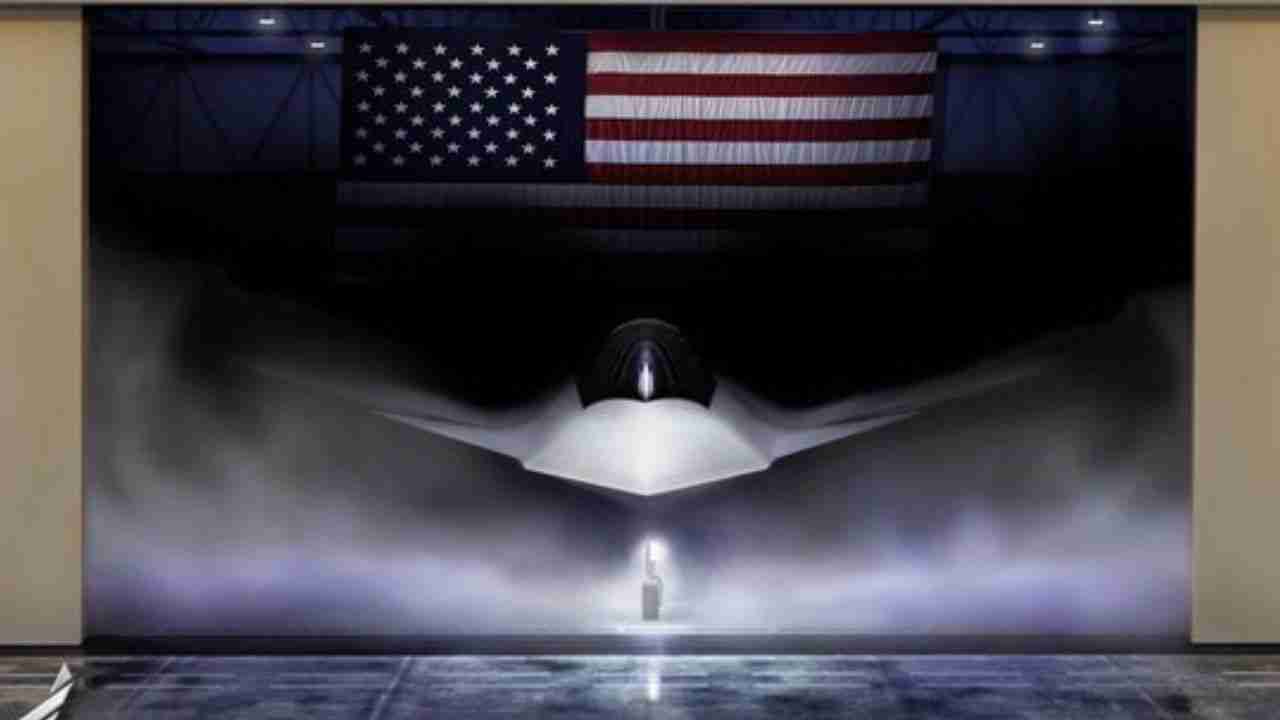
The development of the American sixth-generation fighter F-47 is expected to face a significant delay, mainly due to supply chain issues.
According to official documents and specialized press reports, the aircraft’s engine, part of the Next Generation Adaptive Propulsion (NGAP) program, is not expected to be completed before 2030, more than two years beyond the original schedule. The project is led by the United States Air Force under the Next Generation Air Dominance (NGAD) program and aims to replace the current F-22 Raptor by the 2030s.
Companies like GE Aerospace and Pratt & Whitney are responsible for engine prototypes, with contracts potentially reaching US$ 3.5 billion each. Although the projects have progressed to the ground test phase, the delay could compromise the overall F-47 timeline.
The aircraft, which will feature high stealth, integrated sensors, and long-range strike capability, is being developed by Boeing, as announced by former president Donald Trump in March.
The situation is worsened by budget disputes surrounding the F/A-XX, the US Navy’s sixth-generation fighter. The White House has warned that excessive focus on this project could further delay the F-47, which is considered a priority. While the Navy requested US$ 1.4 billion for the naval program, the Pentagon indicated it would use only US$ 74 million. Even so, Congress allocated US$ 972 million to the F/A-XX, contradicting plans to reallocate funds to the F-47.
This deadlock occurs amid growing competition with China, which is also developing its own sixth-generation fighters. Recent images have shown Chinese prototypes in test flights, although the Beijing government has yet to officially confirm details.
The race for technological air superiority remains intense, with delays in the US raising concerns about maintaining a strategic advantage against China’s advances.
Source: South China Morning Post | Photo: X @usairforce | This content was created with the help of AI and reviewed by the editorial team
Explore this major milestone in the advancement of air superiority.https://t.co/qFUHCLlPqe
— U.S. Air Force (@usairforce) March 22, 2025
